
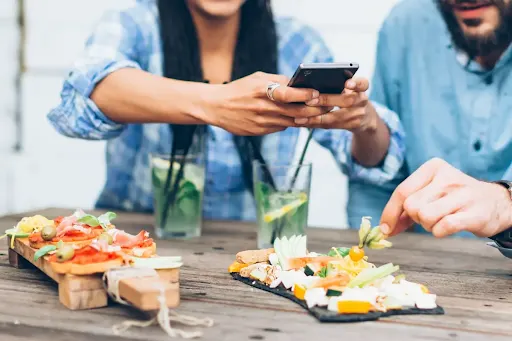
Dubai’s restaurant scene is highly competitive, with diners constantly discovering new venues through Google, social media, reviews, food platforms, and paid campaigns. For restaurant owners, simply having great food and attractive visuals is no longer enough to consistently fill tables. Effective Restaurant Marketing Dubai strategies need to connect visibility with customer intent, turning searches, social engagement, and advertising into reservations, walk-ins, delivery orders, and repeat visits. Act Local’s approach reflects this results-focused mindset, combining SEO, social media, paid advertising, branding, and local search to help restaurants compete in Dubai’s fast-moving market.
For restaurants expanding their reach across the Emirates, Restaurant Marketing UAE also requires a localized understanding of customer behaviour, search patterns, competition, and regional demand. The real question is not how much marketing a restaurant is doing, but which levers are actually moving covers and revenue. This guide explores the strategies that can make the biggest difference, from local SEO and Google visibility to social media, paid campaigns, offers, and measurable conversion tactics.
What Makes Dubai’s Restaurant Market So Competitive?
Dubai’s restaurant industry is one of the most competitive dining markets in the UAE, with new concepts, international brands, independent restaurants, and established hospitality groups competing for the same diners. Customers have more choices than ever, making it important for restaurants to build visibility across the channels people use when deciding where to eat.
For restaurants, Marketing for Restaurants in UAE needs to go beyond simply promoting menu items or posting attractive food images. Successful campaigns should connect with diners at different stages of their decision-making journey from discovering a restaurant on Google or social media to reading reviews, comparing menus, checking locations, and finally making a reservation.
Key Factors Shaping Restaurant Marketing in Dubai
- High competition: Restaurants need a clear positioning strategy to stand out within crowded dining categories and locations.
- Local search behaviour: Google searches such as “restaurants near me,” cuisine-specific searches, and location-based queries can influence where diners choose to eat.
- Social discovery: Instagram, TikTok, and other social platforms play an important role in helping customers discover new restaurants, dishes, offers, and dining experiences.
- Reviews and reputation: Ratings and customer feedback can strongly influence purchasing decisions, particularly for diners trying a restaurant for the first time.
- Seasonal demand: Dubai’s dining patterns can change around weekends, holidays, tourism periods, Ramadan, and major events, creating opportunities for targeted campaigns.
- Experience-driven dining: Customers increasingly look beyond the food itself, considering ambience, service, location, presentation, and the overall experience when choosing a restaurant.
The most effective restaurant marketing strategy therefore combines visibility with conversion. Being seen by potential customers is only the first step; restaurants also need compelling reasons for diners to choose them, easy booking journeys, strong local visibility, and consistent communication that encourages repeat visits.
Where Dubai Diners Make Their Restaurant Decisions
Choosing a restaurant in Dubai rarely starts and ends with a Google search. Diners move between several digital and personal touchpoints before deciding where to eat, making it important for restaurants to maintain a consistent presence across the platforms that influence those decisions.
- Google Maps and local search are often among the first places diners check when they are looking for a restaurant nearby. Location, opening hours, reviews, photos, menus, ratings, and directions can all influence whether a potential customer chooses to visit. Keeping business information accurate and building a strong review profile can therefore support both local visibility and customer trust.
- Instagram and other social platforms play a different role by creating desire and showcasing the restaurant experience. High-quality food photography, short-form videos, chef content, ambience, customer experiences, and special offers can encourage diners to discover a venue and consider making a reservation. For restaurants competing in Dubai’s visually driven dining market, social media can be particularly valuable for turning attention into intent.
- Delivery and food-ordering apps also influence restaurant discovery, especially for customers searching by cuisine, location, ratings, promotions, or delivery time. A strong presence on these platforms can help restaurants reach customers who may not have encountered the brand through traditional search or social media.
- Word of mouth remains highly influential. Recommendations from friends, colleagues, family members, influencers, and previous customers can provide a level of trust that paid advertising alone cannot easily replicate. Encouraging satisfied customers to leave reviews, share their experiences, and recommend the restaurant can help extend its reach organically.
Because diners move across multiple channels before making a decision, restaurants need a connected marketing strategy rather than relying on one platform. Working with a Best Marketing company for Restaurants in Dubai can help bring local SEO, social media, paid campaigns, reputation management, and conversion-focused marketing together under one strategy.
Ultimately, the restaurants that win more covers are not necessarily those with the biggest advertising budgets. They are the ones that remain visible, credible, and compelling at the moments when Dubai diners are actively deciding where to eat.
Why Your Google Business Profile Should Come Before Restaurant Ads
Before investing heavily in paid advertising, restaurants in Dubai should make sure their Google Business Profile is complete, accurate, and optimized for local search. When potential diners discover a restaurant through Google Search or Google Maps, the profile often provides the information they need to decide whether to visit, call, book, or explore the menu.
An optimized profile should include the correct restaurant name, address, phone number, opening hours, website, menu information, and relevant business categories. High-quality food and interior photos can also help customers understand the dining experience before they arrive. Restaurants looking for a more detailed approach can follow this Google Business Profile optimization in Dubai guide to understand the key elements involved in improving their local search presence. Restaurants should also regularly update important information, particularly when opening hours, menus, seasonal offers, or services change.
Reviews Are Part of the Conversion Journey
Customer reviews are another important part of local restaurant visibility. A strong collection of genuine, recent reviews can help build trust with diners who are comparing several restaurants in the same area. Restaurants should encourage satisfied customers to leave honest feedback and respond professionally to both positive and negative reviews.
It is also important to avoid treating Google Business Profile as a one-time setup. Regularly adding relevant photos, maintaining accurate information, monitoring reviews, and identifying opportunities to improve the profile can support stronger local visibility over time. These activities should also work alongside a broader digital strategy covering search visibility, social media, and paid campaigns. For a deeper look at how these channels can work together, explore Restaurant Marketing Solutions in Dubai: Social Media, SEO & Ads.
Build the Foundation Before Paying for Traffic
Paid ads can bring more people to a restaurant’s website, landing page, or Google profile, but advertising cannot compensate for a poor local presence. If diners click an ad and find outdated information, weak reviews, incorrect opening hours, or limited photos, the opportunity to convert that interest into a reservation can quickly disappear.
For this reason, Google Business Profile optimization should be considered one of the foundational steps in restaurant marketing in Dubai. Once the restaurant’s local search presence is accurate, trustworthy, and conversion-ready, paid campaigns can work alongside it to generate additional demand and turn more searches into measurable restaurant visits.
How Restaurant Reviews Influence Footfall in Dubai
Online reviews can play an important role in a diner’s decision-making process, particularly when several restaurants offer similar cuisines, prices, and locations. A strong review profile can create an immediate sense of trust, while a low rating, outdated reviews, or a lack of recent feedback may cause potential customers to look elsewhere.
For restaurants exploring how to increase restaurant sales in Dubai, improving the customer review experience should be part of the wider marketing strategy. The goal is not simply to collect a high number of reviews, but to consistently deliver an experience that encourages genuine customers to share positive feedback about the food, service, ambience, and overall visit.
Is There a Magic Number of Reviews?
There is no universal review count that guarantees higher footfall. A restaurant with hundreds of reviews may still be less appealing than a competitor with fewer but consistently recent and detailed reviews. Diners often consider a combination of overall rating, review volume, recency, and the content of individual reviews when evaluating a restaurant.
This makes review management an ongoing activity rather than a one-time campaign. Restaurants can encourage genuine customers to leave feedback after their visit, respond professionally to reviews, and use recurring feedback to identify areas where the dining experience can be improved.
Reviews as Part of Restaurant Marketing
Reviews also contribute to the broader Restaurant Marketing UAE landscape because they connect reputation, local search visibility, and customer conversion. Positive customer experiences can strengthen trust when diners discover a restaurant through Google Maps, social media, or search results, while thoughtful responses can demonstrate that the business values customer feedback.
Rather than focusing exclusively on reaching an arbitrary review threshold, restaurants should aim to build a consistent stream of authentic, recent, and positive customer experiences. Combined with local SEO, strong Google Business Profile optimization, social media, and targeted advertising, a healthy review profile can help turn more restaurant discoveries into visits and reservations.
Using Menu and Pricing Psychology to Drive Restaurant Revenue in the UAE
A restaurant’s menu does more than list dishes and prices; it can influence what customers notice, compare, and ultimately order. In Dubai’s competitive dining market, thoughtful menu design and pricing can help restaurants increase average order value while keeping the dining experience clear and appealing. This makes menu optimization an important consideration within Restaurant Marketing Dubai strategies.
Make Your Menu Easy to Navigate
Customers often make dining decisions quickly, particularly when browsing a menu on a mobile device or deciding what to order in a busy restaurant. Clear categories, concise descriptions, high-quality food photography, and logical menu organization can make popular or high-margin dishes easier to discover.
Restaurants can also use visual hierarchy to draw attention to signature dishes, chef recommendations, sharing options, or set menus. Rather than overwhelming customers with too many choices, a well-structured menu can guide them towards options that match different budgets and dining occasions.
Use Pricing to Reflect Customer Expectations
UAE diners have diverse spending habits, ranging from casual meals and value-focused offers to premium dining experiences. Restaurants can accommodate these differences by creating a balanced price structure rather than competing purely on low prices.
For example, restaurants might offer entry-level dishes alongside premium specialties, sharing platters, set menus, or add-ons. This creates different spending points and gives customers opportunities to increase their order based on their preferences and budget.
Connect Menu Strategy With Marketing
Menu and pricing decisions should also be reflected in digital marketing campaigns. Promoting a signature dish, lunch menu, family offer, or premium dining experience can give customers a clear reason to choose a restaurant over its competitors.
As part of Marketing for Restaurants in UAE, restaurants should monitor which dishes generate the most interest, which offers drive reservations or orders, and where customers tend to spend more. Combining this data with customer feedback, search behaviour, and campaign performance can help restaurants refine their menus and promotions over time.
The objective is not simply to make prices higher or push customers towards expensive dishes. Effective menu psychology is about presenting the right choices clearly, matching different spending preferences, and making it easier for diners to see the value behind what they are ordering.
Turning Peak and Off-Peak Hours Into More Restaurant Covers
Not every hour generates the same level of demand for a restaurant. In Dubai, peak dining periods can bring strong natural footfall, while quieter hours may require a more targeted approach to attract customers. A well-planned Restaurant Marketing Dubai strategy should therefore focus not only on generating more bookings, but also on improving demand during periods when tables are most likely to remain empty.
Maximise Peak-Hour Demand
During busy periods, restaurants should focus on converting existing demand rather than relying heavily on discounts. Strong Google visibility, social media content, easy reservation options, and clear promotions can help capture diners who are already searching for a place to eat.
Restaurants can also use peak periods to promote signature dishes, premium dining experiences, group bookings, and higher-value menu options. The objective is to increase table value while maintaining a smooth customer experience.
Create Reasons to Visit During Quiet Hours
Off-peak periods require a different strategy. Instead of offering blanket discounts, restaurants can create specific reasons for customers to visit at quieter times. Examples include weekday lunch menus, early-dining offers, afternoon dining experiences, set menus, family packages, or limited-time promotions.
Digital campaigns can then be targeted around these specific periods, helping restaurants reach customers when demand needs to be stimulated rather than spending the same advertising budget throughout the day.
Measure Covers, Not Just Clicks
Restaurants should track which campaigns, offers, time slots, and channels actually generate reservations and visits. Metrics such as covers per hour, booking conversion rate, average spend per table, and repeat visits can provide a clearer picture of marketing performance than impressions or clicks alone.
For restaurants looking at How to Increase Restaurant Sales in Dubai, the goal is not simply to make every period equally busy. It is to match marketing activity with customer demand, use quieter periods strategically, and maximise revenue when the restaurant already has strong demand.
By treating peak and off-peak periods differently, restaurants can make better use of their tables, marketing budget, and staff capacity while creating a more consistent flow of covers throughout the week.
Connect with Act Local to explore tailored strategies across SEO, social media, paid advertising, and local search. Book a meeting with our expert and start building a strategy focused on measurable restaurant growth.
Direct Bookings vs Walk-Ins: Which Should Restaurants Prioritise?
For restaurants in Dubai, direct bookings and walk-ins should not be treated as competing sources of customers. Both can contribute to revenue, but they require different strategies. A strong Marketing for Restaurants in UAE approach should make it easy for diners to discover the restaurant, choose how they want to visit, and complete their journey with minimal friction.
Why Direct Bookings Matter
Direct reservations give restaurants greater control over the customer journey. When diners book through a restaurant’s website, phone, WhatsApp, or other direct channels, the restaurant can capture valuable customer information, communicate booking details, and create opportunities for repeat visits.SEO services for restaurants can support this process by improving visibility when potential diners search for relevant cuisines, restaurants, locations, or dining experiences in Dubai.
Restaurants should make the booking process simple by providing clear reservation buttons, accurate opening hours, mobile-friendly booking pages, and easily accessible contact information. Campaigns promoting special menus, events, or dining experiences should also lead customers directly to a booking option wherever possible.
Importantly, restaurants should measure booking conversion rate rather than focusing only on website traffic. For example, if a paid campaign generates 100 website visits but only two bookings, increasing the advertising budget may not solve the problem. The restaurant should first examine the booking journey, landing page, offer, messaging, and ease of reservation.
Don’t Ignore Walk-In Demand
Walk-ins remain valuable, particularly for restaurants located in high-footfall areas, tourist destinations, shopping districts, and busy dining neighbourhoods. An optimized Google Business Profile, attractive storefront, clear signage, and accurate opening hours can help convert nearby diners who are making spontaneous decisions.
Restaurants can also monitor walk-in demand alongside reservations to understand how different channels contribute to total covers. This can help determine whether marketing should focus on generating bookings or stimulating additional demand during quieter periods.
Measure Cost Per Acquired Cover
One of the most useful metrics for restaurant marketing is cost per acquired cover. Instead of measuring campaign success purely through impressions, clicks, or engagement, restaurants can compare how much marketing spend is required to generate an actual customer visit.
For example, if a campaign spends AED 1,000 and generates 50 confirmed covers, the cost per acquired cover is AED 20. Comparing this figure across Google Ads, social media, SEO, promotions, and other channels can help restaurants identify where their marketing budget is generating the strongest return.
The objective is therefore not to choose between direct bookings and walk-ins. It is to build a marketing system that supports both while measuring which channels generate the most valuable covers. By combining local SEO, social media, targeted advertising, a frictionless booking journey, and accurate performance tracking, restaurants can make better decisions about where to invest their marketing budget.
A 30-Day Restaurant Marketing Action Plan for a Dubai Outlet
A restaurant does not need to overhaul its entire marketing strategy overnight. A focused 30-day plan can help a single Dubai outlet identify gaps, improve local visibility, strengthen its digital presence, and start generating more measurable covers. A practical Restaurant Marketing Dubai strategy should prioritise the activities most likely to influence customer decisions and revenue.
Days 1–7: Fix the Foundations
Start by auditing the restaurant’s Google Business Profile. Check the business name, address, phone number, opening hours, website, menu links, categories, photos, and reservation options. Review customer feedback and identify any outdated or inaccurate information that could affect conversions.
Next, review the restaurant’s website and booking journey. Make sure visitors can quickly understand the menu, location, opening hours, dining experience, and how to make a reservation. Test the entire process on mobile, as many restaurant searches happen while customers are already deciding where to eat.
Days 8–14: Strengthen Local Visibility
The second week should focus on improving how the restaurant appears across local search and discovery channels. Add relevant, high-quality images, maintain consistent business information, and develop a process for encouraging genuine customer reviews.
Review the keywords customers may use to find the restaurant, including cuisine, location, dining occasion, and service-related searches. Use these insights to improve relevant website pages, menu content, and local search signals without forcing keywords unnaturally into the copy.
Days 15–21: Create Demand
Once the foundations are in place, focus on content and campaigns that give diners a reason to visit. Build social media content around signature dishes, restaurant ambience, customer experiences, special menus, and relevant dining occasions. Instead of promoting the restaurant to everyone, create campaigns around specific objectives. For example, a weekday lunch campaign can target quieter periods, while a weekend campaign can focus on groups, families, or special occasions. This helps marketing activity connect directly with available capacity and business goals.
Days 22–30: Measure and Improve
During the final week, review what happened during the first three weeks. Track metrics such as website visits, calls, enquiries, reservations, covers, advertising conversions, and customer acquisition sources. Identify which channels and offers generated meaningful results rather than focusing only on impressions or engagement.
Use these findings to create the next 30-day plan. The goal is not to complete a fixed checklist and stop, but to establish a repeatable marketing process where local SEO, content, social media, advertising, reviews, and booking activity are continually tested and improved.
For a single Dubai outlet, this structured approach can provide a clearer path from online visibility to actual restaurant visits while ensuring marketing resources are focused on activities that can contribute to sustainable growth.
Conclusion: Turning Restaurant Marketing Into More Covers
Effective restaurant marketing in Dubai is not about being visible everywhere or spending more on advertising. It is about identifying where diners make decisions, strengthening your local presence, creating compelling reasons to visit, and measuring which activities actually generate covers and revenue.
From Google Business Profile optimization and customer reviews to menu strategy, peak-hour campaigns, direct bookings, and targeted advertising, each marketing lever should work towards the same goal: turning attention into action. With a focused Restaurant Marketing Dubai strategy and continuous optimization, restaurants can build stronger visibility, attract more qualified diners, and create more consistent revenue from a single outlet.
Frequently Asked Questions
Restaurant marketing in Dubai is the process of using channels such as local SEO, Google Business Profile, social media, paid advertising, reviews, and direct booking strategies to attract diners and increase restaurant covers and revenue.
Restaurants can increase sales by improving local search visibility, optimizing their Google Business Profile, generating genuine customer reviews, promoting high-value menu items, targeting off-peak periods, and making direct bookings easy. Tracking covers, booking conversions, average spend, and customer acquisition sources can also help identify which strategies produce the strongest results.
Google Business Profile helps restaurants appear when potential diners search on Google Search and Google Maps. Accurate business information, photos, menus, opening hours, reviews, and reservation options can help customers evaluate a restaurant and decide whether to visit or book.
Reviews can influence customer trust and restaurant choice, particularly when diners are comparing several similar venues. A consistent stream of genuine, recent, and positive reviews can strengthen a restaurant’s local reputation and help turn online discovery into visits and reservations.
Restaurants should generally support both. Direct bookings provide greater control over the customer journey, while walk-ins remain valuable in high-footfall locations. Local SEO, social media, targeted advertising, and a simple reservation process can help restaurants capture both types of demand.
Restaurants can create specific reasons to visit during quieter periods, such as weekday lunch menus, early-dining offers, set menus, family packages, or limited-time promotions. Digital campaigns can then target these offers specifically at times when additional demand is needed.
A well-structured menu can make signature dishes, premium options, sharing platters, set menus, and add-ons easier to discover. Offering different price points allows restaurants to accommodate different customer budgets while creating opportunities to increase average spend.
Restaurants should look beyond impressions and clicks and track metrics such as reservations, covers, booking conversion rate, calls, enquiries, average spend per table, repeat visits, and customer acquisition sources. These metrics provide a clearer indication of whether marketing activity is contributing to revenue.
The timeframe varies depending on the restaurant’s starting position, competition, location, marketing channels, and budget. A focused 30-day plan can help identify weaknesses, improve local visibility, launch targeted campaigns, and establish measurable benchmarks for ongoing optimization.
Important channels include Google Search and Maps, Google Business Profile, social media, customer reviews, delivery platforms, direct booking channels, and paid advertising. The most effective approach is to connect these channels rather than rely on a single source of customers.